 Pest Control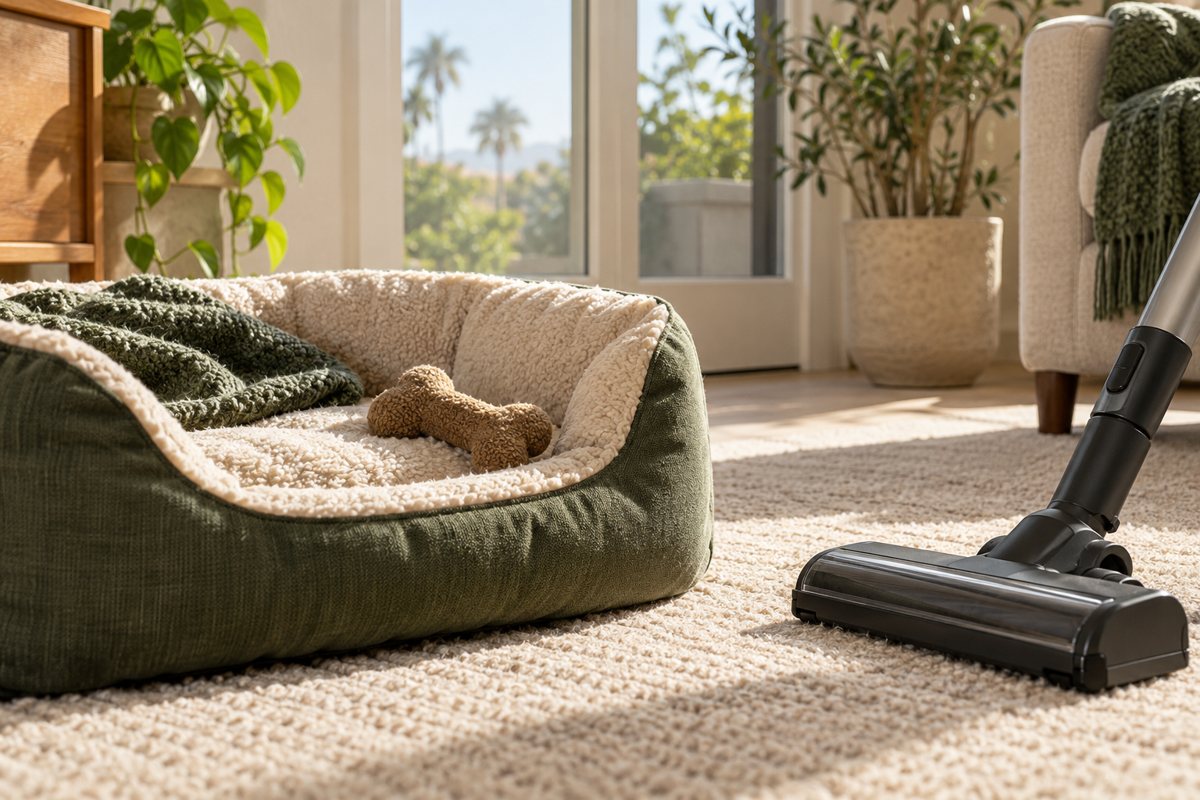
The practical starting point
A flea sighting after service needs context.
Life stages, pet care, cleaning and the agreed treatment scope all matter when deciding what to report and what to do next.
A sighting is information for follow-up
Record where the flea was seen and when. Was it near pet bedding, carpeting, a sofa or an outdoor resting area?
The location makes the observation more useful.
Do not assume that every sighting proves a new infestation or complete treatment failure. Ask the provider how it fits the actual method and monitoring instructions.
The next decision should follow a review of the record.
It should not be an automatic extra application or a switch between several household products without understanding what has already been done.
The flea life cycle explains some uncertainty
UC IPM describes eggs, larvae, pupae and adults as different stages. Adult sightings do not reveal all the stages present in an environment. [1]
A verified figure helps explain why coordination matters: female cat fleas can lay about 20–50 eggs per day.
UC describes eggs falling from the host into its surroundings. [1]
That is general biology, not a count at your home. Do not multiply it into an invented infestation estimate.
Use it to understand why the environment and pet-care questions belong in the same conversation.
Environmental service and veterinary care differ
A pest-service quote may address the building or outdoor areas. It does not automatically include treatment of the animal.
EPA recommends veterinary consultation for selecting pet flea and tick products and emphasizes species-specific label directions. [2] Do not assume a dog product is suitable for a cat or another animal.
Tell the pest provider what pets live at the property and where they rest.
Ask the veterinarian about the animal’s treatment, and make the boundaries of each professional’s work clear.
Keep the preparation instructions available
Ask what cleaning and access are required for the selected environmental method. Bedding, rugs and furniture can need different handling.
EPA discusses cleaning and vacuuming as elements of managing fleas around the home. [3] Follow the guidance that applies to the agreed work rather than adding a universal checklist to every method.
If you cannot complete part of the preparation, explain the constraint. The provider can clarify priorities and whether the schedule needs adjusting.
An achievable plan is more useful than one that assumes unlimited space and time.
Pet resting areas deserve a clear record
Make a list of the places pets actually use, rather than only the place where their bed is stored.
Include rooms or outdoor areas relevant to the enquiry.
Ask whether those spaces are included in the quoted scope.
A treatment of one room should not be interpreted as a service for every area used by the animal.
If a pet’s routine changes during the work, mention it at follow-up.
The purpose is to give the provider an accurate account, not to infer the cause of every new sighting from where the pet was last seen.
Do not assume more pesticide means better progress
A continuing concern can make repeated application tempting. Pause and review the actual instructions before adding anything.
Use products only as directed, and tell the provider what has already been used.
This allows the next step to account for the selected method instead of layering unrelated advice.
The provider should explain what observations matter and when to report them.
If the instructions are unclear, ask for a plain-language answer rather than guessing a new dosage, location or waiting period.
Indoor and outdoor scope should be explicit
A carpeted room, shaded yard area and shared outdoor space have different access and maintenance questions. Describe each one when requesting service.
Ask whether the scope includes inspection, environmental treatment, owner cleaning actions or a combination. Separate work may be needed for areas outside the original proposal.
A private property quote does not include public trails or neighboring land.
In a managed building, establish who can authorize common-area access before assuming that every relevant space can be assessed.
Use observations to clarify follow-up
Keep a dated list with locations and any actions completed from the preparation checklist.
This gives the provider a clearer account than a general statement that the problem is unchanged.
Ask whether the observed pattern is consistent with the actual method and whether further assessment is appropriate.
Different treatments and conditions should not be assigned one universal timetable.
If follow-up is offered, read the terms. A return visit, a warranty and excluded additional work are different arrangements.
The website does not promise free or unlimited return service.
Symptoms belong with the appropriate professional
A pet scratching or a person with itchy marks may need professional health advice. The website cannot determine the cause from symptoms alone.
For the pest enquiry, focus on visible insects, affected locations and the property record. For a pet, explain symptoms and product history to the veterinarian.
Keeping those enquiries separate avoids turning environmental pest advice into a medical or veterinary diagnosis. The services may need coordination.
However, they do not replace each other.
An example: activity near two pet resting areas
Imagine a household sees fleas near a rug and later beside a sofa where the pet also rests.
The second location is useful information for the service scope, not a reason to double a product quantity.
Record both areas, the dates and the cleaning actions completed. Ask whether the agreed environmental work includes those locations and what the provider wants monitored.
Keep veterinary treatment of the pet in the discussion with the veterinarian. If the household has applied products already, record their names.
This allows both enquiries to be better informed without assuming that a treatment of the room replaces care for the animal.
Make the next call easier
Have the service address, affected spaces, pet information and previous product details ready. Ask about environmental flea and tick service and the preparation it requires.
Pest Control El Cajon serves qualifying addresses in 92019, 92020 and 92021. Confirm the property location, scope and available appointment arrangements.
The useful next step is a review of the actual activity and instructions.
A clear record can help establish whether the plan needs explanation, another assessment or an additional agreed service.
A simple decision checklist
Use this table to organize observations and questions. It does not diagnose the pest or prescribe a treatment.
The next step should fit the evidence and the property, with appropriate professional assessment where needed.
| What you notice | What to record or do | What to ask |
|---|---|---|
| New sighting | Record place and date | How does it fit the method used? |
| Pet symptoms | Contact the veterinarian | What animal-specific care is appropriate? |
| Second resting area | Describe the additional location | Does the environmental scope include it? |
Keep a copy of the scope and any instructions alongside your notes.
If observations change, explain the new location or timing separately so the provider can review the situation accurately.
The example above is hypothetical. It illustrates a decision process and is not a customer story, completed project or claim about a treatment result.
Frequently asked questions
Does a flea after service prove failure?
Not by itself. Report its location and timing so the provider can assess it against the actual method.
Does the pest company treat my pet?
This site covers property service. Ask a veterinarian about the animal’s treatment.
Should I immediately reapply a household product?
Follow the actual instructions and discuss observations before adding another application.
Sources and further reading
References support the factual pest information in this guide. The checklists and hypothetical examples provide practical questions for an enquiry.
Follow instructions for the actual assessed work rather than treating general educational guidance as a treatment plan.
Sources accessed October 8, 2026. Publication dates on linked resources may be earlier. Coverage, pricing and methods must be confirmed for the actual property and service.
Discuss the relevant service
Read the service scope, then call with your address and observations. Qualifying service addresses are within 92019, 92020 or 92021.
Call for a Free Quote