 Pest Control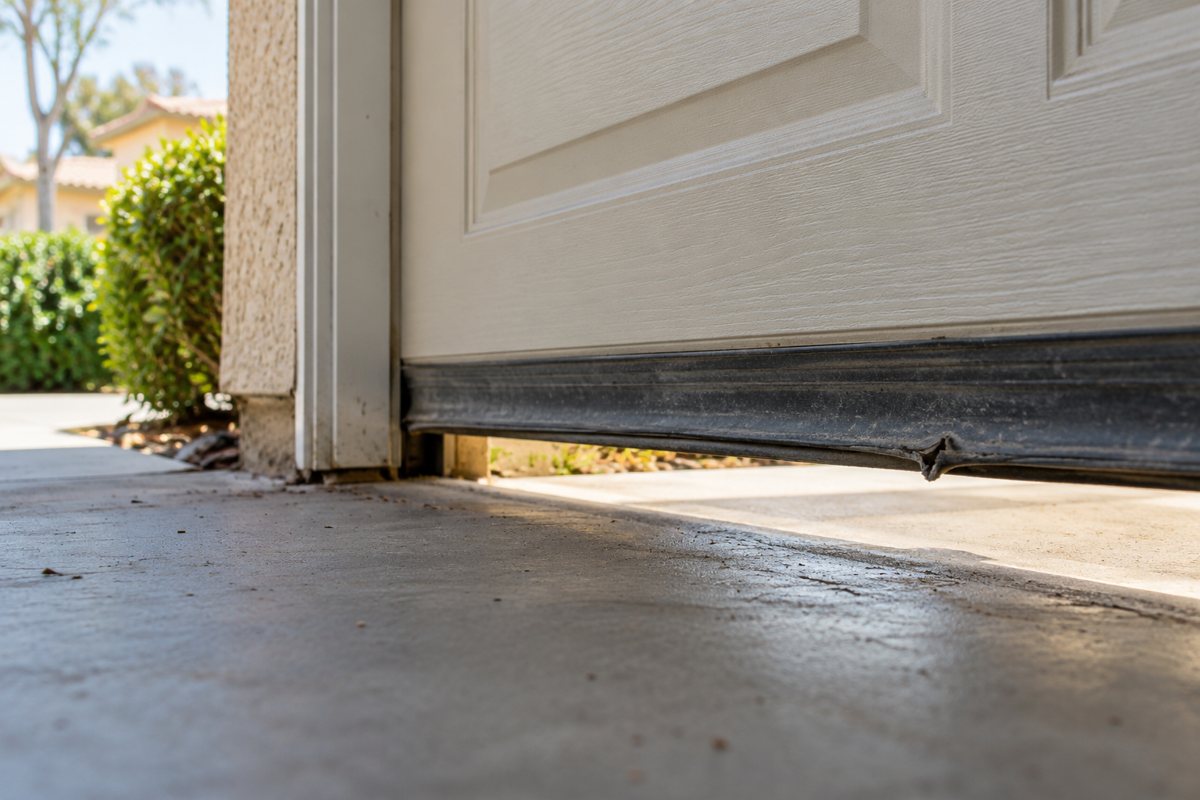
The practical starting point
Rodent exclusion is a building-access task. A useful plan identifies the target pest, accessible openings, suitable repair boundaries and the relationship between sealing and active control.
Understand what exclusion is intended to do
Exclusion reduces access through assessed building openings. It is different from a control visit that addresses animals already active inside.
If your quote mentions both, ask how the work is sequenced and what each element includes.
The distinction helps you understand why trapping alone may leave an access question unanswered.
It also prevents an unrealistic expectation that a small repair will resolve every hidden concern. The building, target pest and inspection limits should define the work.
Door bottoms are easy to overlook
Garage and exterior doors can leave visible gaps where seals are worn, uneven or missing.
Record what can be seen from a safe position without altering the opening.
Ask whether the assessment includes the door edges, bottom and surrounding frame. A gap at one corner may need a different repair from a damaged threshold.
CDC notes that mice can pass through an opening about a quarter inch wide. [1] This general figure explains why a small gap deserves attention.
However, does not prove it is the route currently being used.
Utility penetrations deserve an inspection
Pipes and cables pass through building components and may leave openings around them. CDC lists utility routes among places to check for rodent entry. [1]
For the homeowner, the right next step is to identify the location and ask who can assess it.
Do not interfere with gas, electrical or plumbing components to close a suspected gap.
A quote should distinguish straightforward sealing from work requiring another trade.
Pest exclusion must preserve the function of the building component rather than treating every opening as something to fill.
Vents and roofline details have different limits
Damaged vent screens and accessible roofline openings may be relevant to an exclusion assessment.
UC IPM describes the importance of above-ground access when assessing roof rats. [2]
Do not climb a roof to verify the concern yourself. Mention the area and provide ground-level photographs if available.
Access and safe inspection arrangements can then be discussed.
Ventilation openings are not ordinary holes.
Ask how proposed materials and work preserve airflow and other requirements, and whether a specialist repair falls outside the pest-service scope.
Garages and outbuildings need their own boundaries
A quote for the main house may not cover a detached garage, shed or other structure. List the buildings you want assessed before comparing prices.
Explain which ones are occupied, used for storage or difficult to access. The provider can then clarify whether they belong in the same scope.
Avoid assuming that a repaired opening in one building protects another.
Each structure has its own access conditions, and the written proposal should reflect the areas actually inspected and included.
Do not seal active routes at random
If animals are already inside, discuss the work sequence before blocking a suspected route. Control, monitoring and sealing need coordination for the actual situation.
The site does not provide a universal order of work or a do-it-yourself trapping plan. It explains the questions to ask when agreeing a professional scope.
Ask what evidence supports the active-control decision and when each opening will be addressed.
That explanation is more useful than an unsupported promise that every gap can be closed immediately.
Material choice should match the opening
CDC discusses metal, screening and other building materials for different openings. UC guidance also distinguishes durable proofing from inadequate coverings. [1][2]
A homeowner need not specify the material before inspection. Ask why the proposed choice fits the building feature and target pest.
Keep major repairs separate when necessary. Rotted timber, damaged frames or failing utility components can require work beyond sealing.
The quote should state whether those conditions are excluded or addressed by another provider.
Ask for a record of assessed areas
A concise list of openings and completed work makes future maintenance easier.
It can show what was inspected, what was repaired and what could not be reached.
Ask how inaccessible areas are recorded. An inspection limit does not disappear because the visible repairs look neat.
This record is also useful after building changes.
If a new cable or door creates another opening, you can distinguish the new work from the earlier exclusion scope and discuss the next assessment accurately.
Exclusion has maintenance responsibilities
Buildings change through wear, repairs and new installations. A prevention plan should explain what to watch for after the agreed work is complete.
Ask which visible features you can check during normal property upkeep, and which require professional access.
Do not turn a routine review into roof climbing or work near utilities.
EPA’s IPM framework supports combining decisions and prevention methods. [3] Applied to your quote, that means asking how entry work relates to monitoring and owner actions, not expecting one repair to guarantee every future outcome.
An example: a garage door with a worn seal
Imagine a visible gap at the bottom corner of a garage door and a separate report of rodent activity inside.
A photograph of the gap is helpful. However, it does not prove that it is the only entry point.
Ask the assessor to consider the door and other accessible routes.
If animals are active, discuss the sequence of control and repair rather than closing the gap immediately.
The quote can specify the door work, any other agreed sealing and inspection limits.
If the door frame itself needs a major repair, clarify who will do it.
This makes the difference between a pest-access task and a broader building repair understandable.
Prepare an entry-point enquiry
Have the service address, activity history and a list of structures ready.
Explain whether rodents are currently seen or heard inside, and whether previous sealing has been done.
For El Cajon, coverage is limited to qualifying addresses in 92019, 92020 and 92021. Describe the actual property rather than relying on a neighboring community name.
Ask for assessment, work boundaries, repair exclusions and follow-up terms.
These four parts make an exclusion quote understandable and help you decide what is needed before authorizing the work.
A simple decision checklist
Use this table to organize observations and questions. It does not diagnose the pest or prescribe a treatment.
The next step should fit the evidence and the property, with appropriate professional assessment where needed.
| What you notice | What to record or do | What to ask |
|---|---|---|
| Door gap | Note the building and edge | What repair is included? |
| Utility opening | Do not interfere with the utility | Does a specialist trade need involvement? |
| Active animals inside | Explain current evidence | How are control and sealing coordinated? |
Keep a copy of the scope and any instructions alongside your notes.
If observations change, explain the new location or timing separately so the provider can review the situation accurately.
The example above is hypothetical. It illustrates a decision process and is not a customer story, completed project or claim about a treatment result.
Frequently asked questions
Is foam alone the answer to every gap?
Material suitability depends on the opening and pest. Ask the assessor to explain the proposed work rather than using one material everywhere.
Will sealing replace rodent control?
Not always. Active animals and access repairs can need coordinated work.
Can exclusion be guaranteed forever?
A building can develop new openings. Read the actual terms and maintenance responsibilities rather than assuming permanent coverage.
Sources and further reading
References support the factual pest information in this guide. The checklists and hypothetical examples provide practical questions for an enquiry.
Follow instructions for the actual assessed work rather than treating general educational guidance as a treatment plan.
Sources accessed October 8, 2026. Publication dates on linked resources may be earlier. Coverage, pricing and methods must be confirmed for the actual property and service.
Discuss the relevant service
Read the service scope, then call with your address and observations. Qualifying service addresses are within 92019, 92020 or 92021.
Explore pest & rodent exclusion
Call (619) 478-0338